As artificial intelligence becomes more integrated into genealogical research, it is tempting to imagine a future where longstanding mysteries are unraveled with a few keystrokes. AI tools can now scan, transcribe, and sort through centuries of records, but the heart of successful genealogy still depends on something machines cannot replicate: the human touch. No matter […]
Author: Gerardo Medina
-
OpenStation Blog: Someone Said “I Hate OpenStation.” That Was Actually Useful.
A few days ago, someone opened a support thread about AllTerrain Forms and, in the middle of otherwise useful feedback, wrote something very direct: “I hate OpenStation.”
Obviously that is not the nicest sentence to read when you are working on the product, but at the same time it immediately got my attention because this is exactly the kind of feedback that can be useful if you don’t take it personally.
So instead of trying to explain why OpenStation is good, or why we made certain decisions, I asked a very simple question: what exactly makes you hate it?
Her answer was actually very good.
She works on a laptop, so screen space matters a lot. OpenStation was opening windows too small for her workflow, which meant that one of her first actions was always maximizing them. She also didn’t like losing the visible URL because she regularly copies URLs into emails, project trackers or messages. On top of that, her users are not very technical, and from her point of view OpenStation was adding another layer to WordPress that she would eventually have to explain and support.
She basically said that browser tabs already exist, users understand them, they use the whole screen, and they don’t hide the URL.
And I think this is exactly where building software becomes interesting, because from our side all of those decisions had reasons behind them, but reasons don’t really matter if the final experience is worse for the person using it.
None of these are theoretical product discussions. They are very concrete things that someone hit while trying to use the software for real work.
That matters a lot to me.
We started discussing these points immediately, and one of them has already made it into the next OpenStation release.

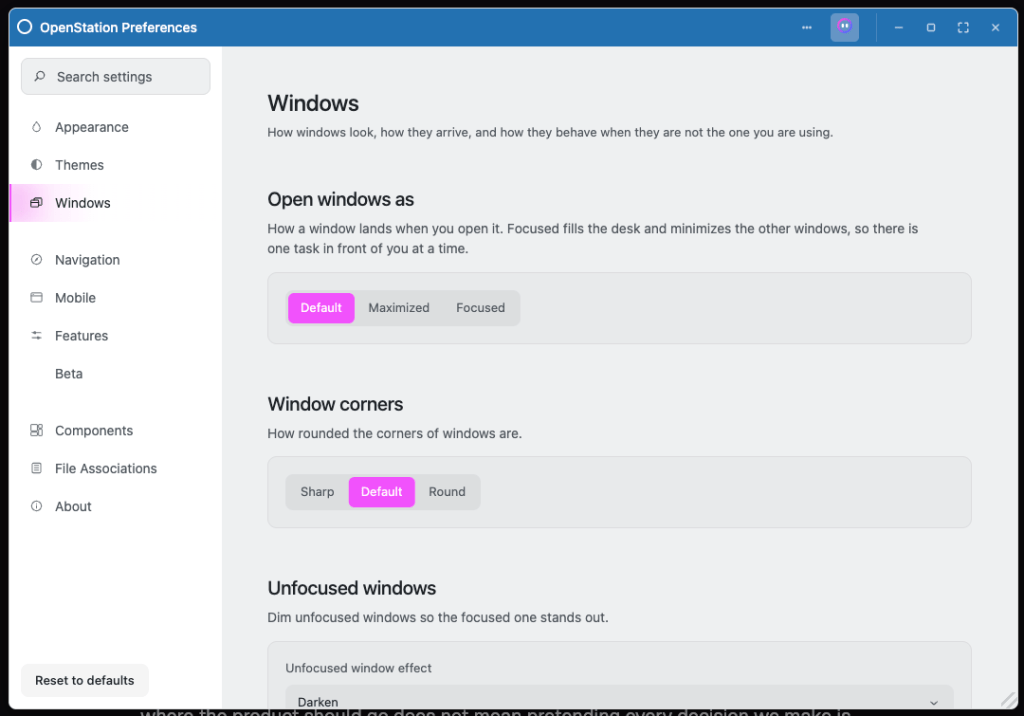
Users will now be able to choose how new windows open: using the current default behaviour, maximized, or focused. Focused mode maximizes the new window and minimizes the other windows on the same desk, so people working on smaller screens can have something much closer to the experience they expect.
This came directly from that kind of feedback, and the implementation is already merged:
PR #964: Preferences: choose how newly opened windows appear
And this is really the point.
We obviously have our own vision for OpenStation. We believe WordPress can have a much better working environment than the traditional admin experience, and there are many things we still want to explore there. But having a strong idea of where the product should go does not mean pretending every decision we make is correct.
Sometimes the most useful feedback is not “great release” or “this looks amazing”. Sometimes it is someone telling you that a window is too small, that they want the URL back, that something scrolls when it shouldn’t, or simply that they don’t see the benefit of what you built.
That kind of feedback forces you to look at the product from outside your own head, which is probably one of the hardest things to do when you have been working on it every day for months.
For me, OpenStation becoming more mature is not only about adding more apps, more features or more ambitious ideas. A big part of maturity is improving all those small things that make the product feel natural, predictable and less annoying to use.
And I think there is also something important here about open source. People can complain, explain exactly what does not work for them, and a few days later they can literally see the code that changes that behaviour.
That is a pretty healthy way to build software.
So yes, tell us when OpenStation is great, but especially tell us when it sucks. We may not agree with every suggestion, and we obviously cannot build every requested feature, but if there is a real problem behind the feedback, we want to understand it.
In this case, someone said “I hate OpenStation.”
Fair enough.
A few days later, OpenStation got better because of it.
-
Open Channels FM: Technology’s Fast Feedback Loop with Triumph of the Nerds, Agile AI, and WordPress Security
Faster tech means new challenges from AI feedback loops to WordPress security incidents.
-
Open Channels FM: Topics in Tech Business, It’s Rinse and Repeat
Sometime we think, been there, done that, but hey, not everyone has done that.
-

Akismet: Akismet Now Supports Drupal 12

Version 1.1.0 of the official Akismet Drupal module is out with support for Drupal 12. If you’re planning your move to 12, spam protection won’t hold you back. Here are the highlights.
Drupal 12 from day one
The module now runs on Drupal 10.3+, 11 and 12. On Drupal 12, Akismet checks comments and user registrations as soon as you install it, since both live in core. Contact forms, webforms, and the Key module will be supported as soon as they’re ready for D12.
What else is new in 1.1.0
Better spam scoring
Every check now gives Akismet a fuller picture of each submission. The module’s bot detection watches how someone fills out a form: how long they take, how they type, and how they scroll, click or tap. In 1.1.0, all of those signals feed straight into Akismet’s spam scoring. With more context, Akismet can better tell a real person from a bot, so you should see more spam caught and fewer real messages flagged by mistake.
Better GDPR export
drush akismet:gdpr-exportnow takes--format=json(orcsvandyaml) and returns the full stored record for each match, including the original submission. That makes subject access requests easier to answer completely.The export also withholds the moderator’s identity, as GDPR Article 15(4) allows.
Clearer warnings about your stored API key
The status report now warns you about a leftover copy in yoursettings and stays visible until you deal with it. A new Delete stored API key form removes it in one step. You’ll find the link on the settings page and in the status report.
Coming from the community module?
Before the official module, some Drupal sites used the community-maintained Akismet module (
drupal/akismet). That project is no longer maintained. If you’re still running it on Drupal 10.3 or later, 1.1.0 can take over your install in place. Your API key, connection timeout and protection settings carry over, and the update prints a report of everything it migrated, changed or dropped. Our migration guide on drupal.org walks through the process.Get started
You’ll need an Akismet API key. Grab one from our pricing page. It’s free for personal sites.
For a new install:
composer require drupal/akismet_antispamIf you’re already on 1.0, update the module along with the Akismet PHP SDK it depends on, then run the database updates:
composer update drupal/akismet_antispam --with-dependenciesdrush updbThe module needs Drupal 10.3, 11 or 12 and PHP 8.1 or newer, or the newer PHP your Drupal core requires.
Found a bug or have an idea? Tell us in the issue queue.
New to the module? Start with our introduction to the official Akismet Drupal module, or see how it’s built on the official Akismet PHP SDK.
-
El Museo Francisco Sobrino abre talleres de oxidación, arte geométrico y debate urbano en Guadalajara
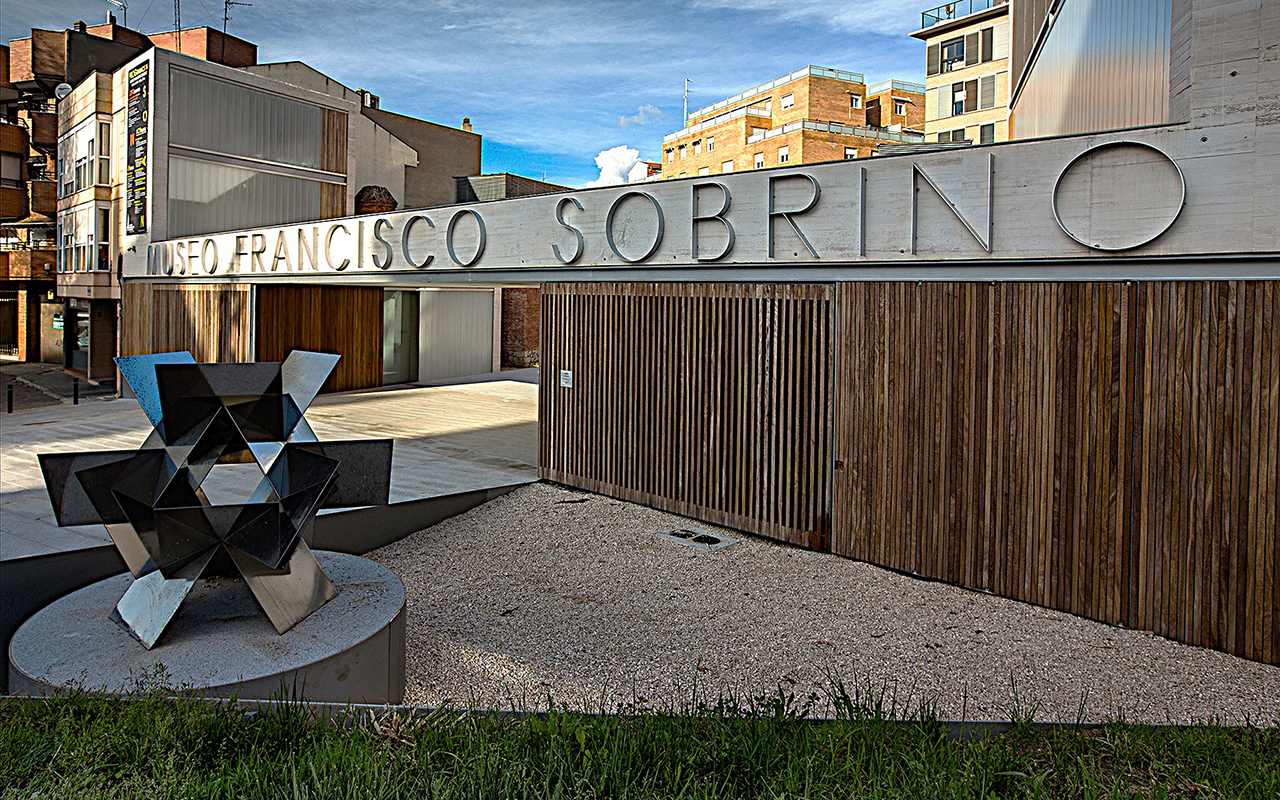
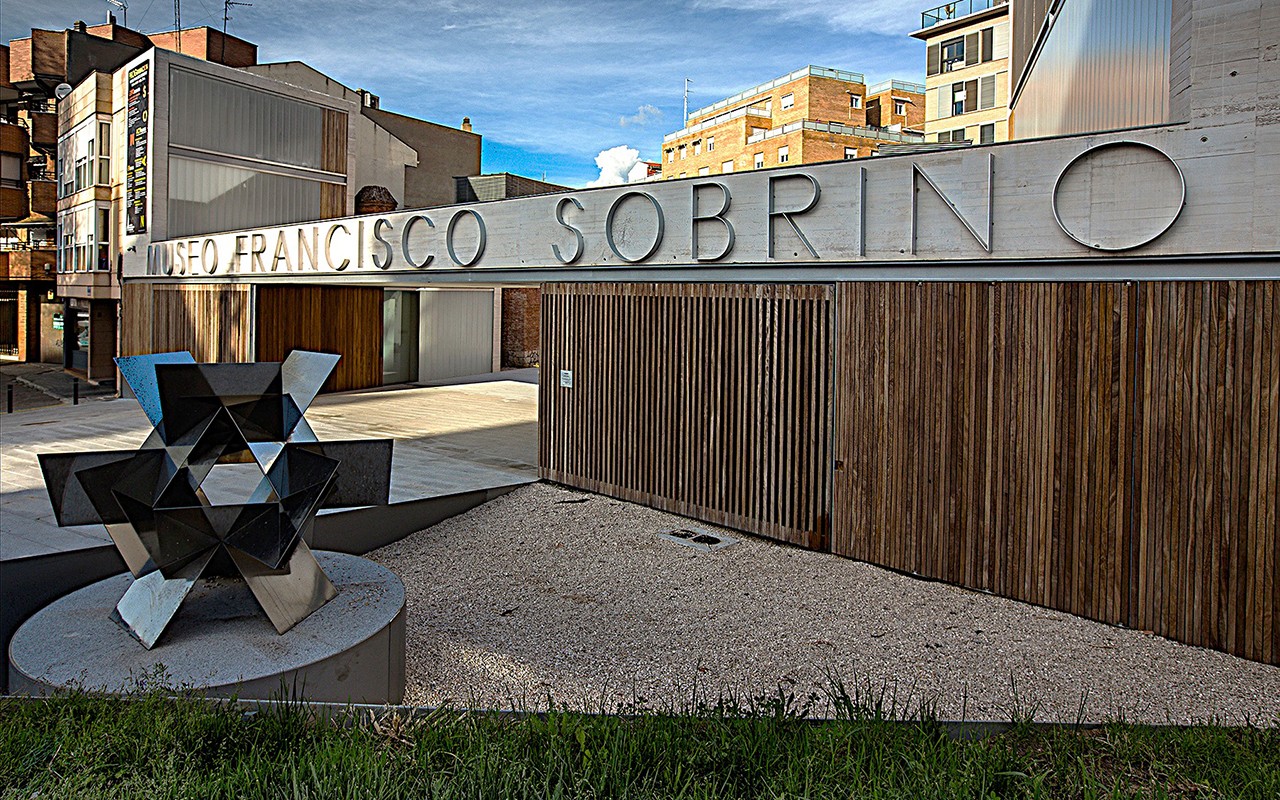
El Museo Francisco Sobrino de Guadalajara ha presentado su programación didáctica y cultural para el mes de octubre, configurando un calendario de actividades formativas, recorridos guiados y debates urbanísticos orientados a fomentar la experimentación artística entre el público infantil, juvenil y adulto. La agenda arrancará el sábado 10 de octubre, de 10:00 a 13:00 horas, con el taller práctico ‘Oxidaciones y temporalidad’, impartido por la creadora Alba López. La propuesta, orientada a mayores de 14 años y limitada a diez plazas, explorará los procesos de alteración matérica y la reacción orgánica de los metales como recursos plásticos de la abstracción contemporánea.
Visitas guiadas y reflexión patrimonial sobre La Antigua
La divulgación del legado del escultor alcarreño se articulará a través de dos visitas guiadas especializadas a la colección permanente ‘Sobrino Ponderado’, programadas para el martes 13 y el viernes 23 de octubre, con reserva previa para el público adulto. Asimismo, el jueves 15 de octubre, a las 19:00 horas, el centro acogerá la mesa redonda ‘El Museo Francisco Sobrino y el Santuario de la Antigua ante la transformación de su entorno’, enmarcada dentro del ciclo ‘Pensar el espacio, construir la ciudad con sentido’ con motivo del Día Europeo de las Asociaciones de Amigos de Museos.
La jornada de debate reunirá al arquitecto redactor del proyecto de rehabilitación del inmueble, Pablo Moreno Mansilla; al historiador y conservador patrimonial Pedro José Pradillo Esteban; y a la presidenta de la Asociación de Amigos del Museo Francisco Sobrino, Karolina Czescik. El encuentro analizará la inserción urbana del museo municipal en el casco histórico, las opciones de ampliación espacial de sus instalaciones expositivas y su coexistencia con el entorno monumental del Santuario de la Virgen de la Antigua en pleno proceso de reurbanización de la zona.
Talleres familiares entre la música y el videojuego
El segmento familiar centrará las sesiones didácticas de la segunda quincena del mes. El sábado 17 de octubre se impartirá el taller ‘Pintar la música’ en dos turnos matinales sucesivos (de 11:00 a 12:00 y de 12:00 a 13:00 horas), donde menores de 3 a 6 años traducirán ritmos y estímulos sonoros a composiciones gráficas inspiradas en las vanguardias de Wassily Kandinsky y el propio Sobrino, con 16 plazas por pase. La programación culminará el sábado 31 de octubre, de 11:00 a 13:00 horas, con ‘Pixelart. Del cuadro al píxel’, actividad para niños de 8 a 12 años que vinculará los sistemas modulares cinéticos del histórico Groupe de Recherche d’Art Visuel (GRAV) con los patrones digitales de los videojuegos.
Reserva de plazas y horarios de visita
El trámite de inscripción para todas las actividades se gestiona de forma presencial en el mostrador del museo o mediante el teléfono 689 674 358. El recinto municipal, ubicado en el rehabilitado complejo del antiguo matadero, mantiene su horario habitual de visita los martes, sábados y domingos de 9:30 a 13:30 horas, y de miércoles a sábado en turno de tarde de 16:30 a 20:30 horas, permitiendo al mismo tiempo el acceso libre a la muestra temporal ‘Umbrales de color y materia’ de Rosa Brun.
-
Open Channels FM: Beyond Rants, Productive Discussions and the Mystery of Poor Design Choices
Bob Dunn reflects on online conversation styles and an infamous hardware design blunder, offering unsolicited solutions and food for thought.
-
Open Channels FM: Why We Build Systems aka Zach and Carl’s Emporium of Madness
In this episode, hosts Zach and Carl discuss adapting to technological change, personal reinvention, and the impact of AI on creativity and web development, emphasizing diverse income strategies and effective ADHD management.
-
El Teatro Buero Vallejo de Guadalajara acoge la muestra de acuarelas botánicas de Yolanda García
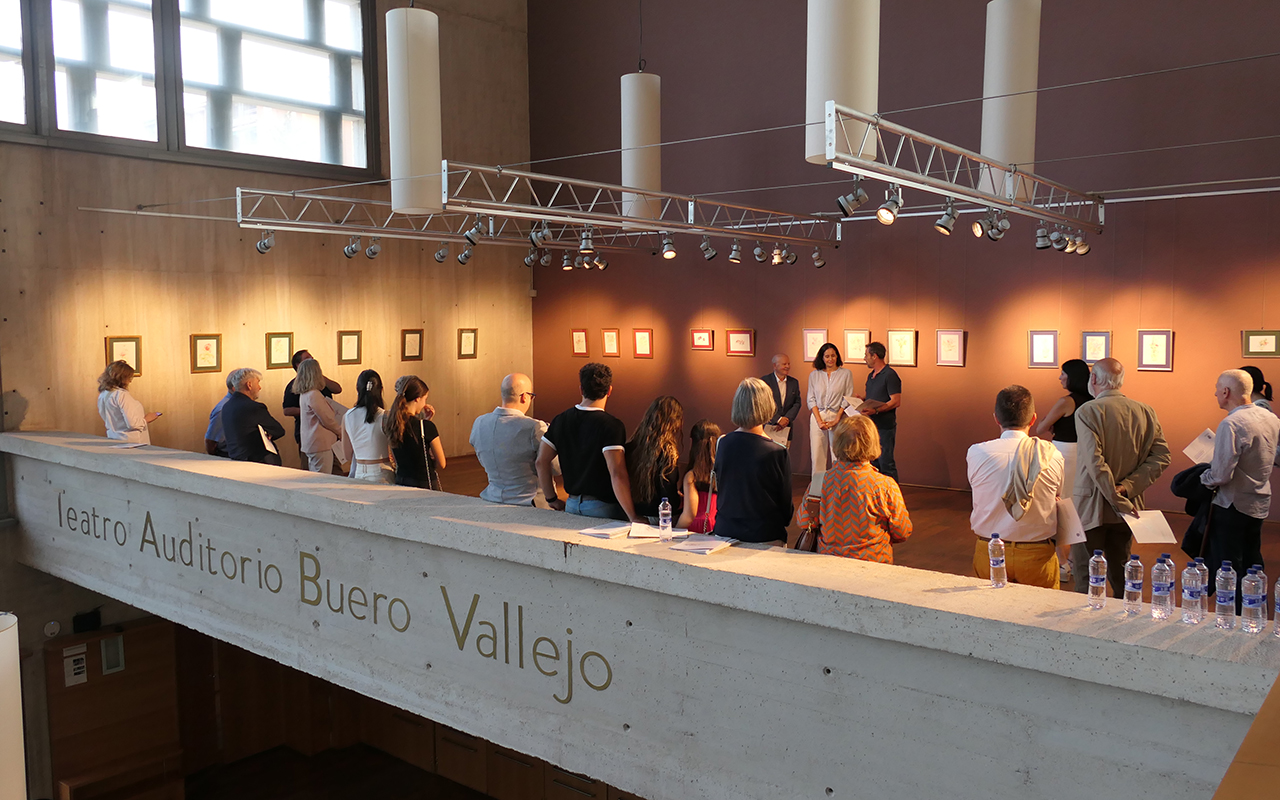
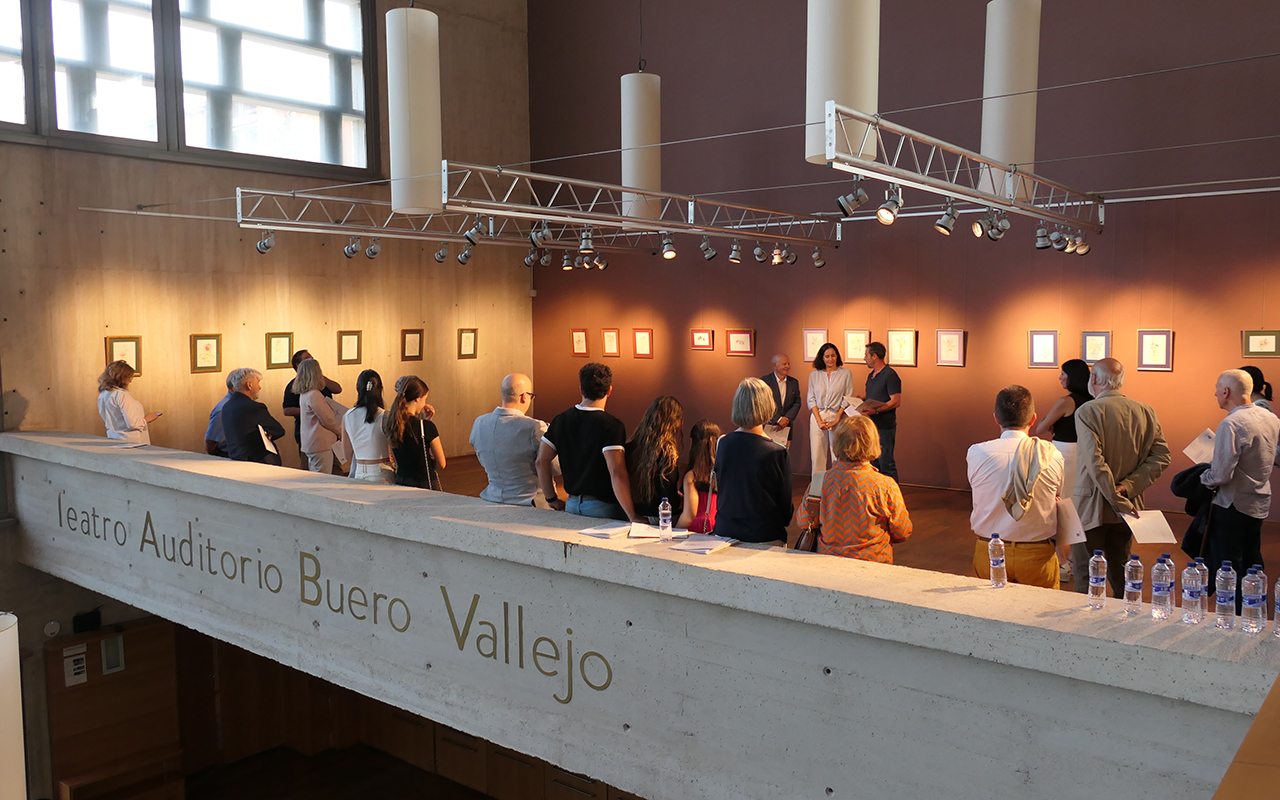
La sala de exposiciones del Teatro Auditorio Buero Vallejo de Guadalajara alberga hasta el próximo 27 de noviembre la colección «Acuarelas florales y frutales», una selección de 23 obras pictóricas firmadas por la artista Yolanda García que rinde tributo a la biodiversidad vegetal y a la contemplación de la naturaleza cotidiana. La apertura de la muestra contó con la intervención del concejal de Cultura, Javier Toquero, junto a la autora y al investigador José Miguel Muñoz Jiménez, responsable del texto crítico introductorio del catálogo. La propuesta marca el reencuentro de la creadora con las instalaciones culturales de la calle Cifuentes, donde ya expuso sus series de paisajes en el año 2009.
Transparencias botánicas y mensaje conservacionista
Las piezas expuestas exploran el dominio técnico del agua y el pigmento mediante composiciones que capturan la belleza efímera de los ciclos florales y las formas frutales. Durante la presentación, se puso de relieve el equilibrio entre la aparente sencillez del trazo y la dificultad de insinuar volúmenes y claroscuros sin saturar el papel, invitando al espectador a una pausa visual orientada a valorar la fragilidad de los ecosistemas más cercanos. La colección permanecerá accesible al público de manera gratuita en horario de tarde, de martes a viernes entre las 19:00 y las 21:00 horas, integrada en el circuito de artes plásticas del recinto municipal.
Dinamización otoñal de los espacios culturales
La llegada de esta obra pictórica complementa la programación expositiva que el Ayuntamiento de Guadalajara despliega durante el inicio de la temporada otoñal en los principales equipamientos de la capital. La sala del Buero Vallejo refuerza así su papel como galería de proximidad para autores contemporáneos y creadores locales, conviviendo con los montajes escénicos del auditorio principal y articulando un eje divulgativo que se extiende hacia otros centros de referencia de la ciudad, como las muestras de artes visuales del Museo Francisco Sobrino y el Espacio Medarde del Mercado de Abastos.
-
WPBeginner Spotlight 28: WPVibe Hits 40,000 Sites, a New WPForms Dashboard, and Two WordPress Security Updates
September was the month WordPress plugins really started talking to AI assistants in a serious way. You can now manage backups, forms, online stores, and fundraising campaigns just by asking Claude or ChatGPT, and there’s a good chance you already have some of these plugins… Read More »
The post WPBeginner Spotlight 28: WPVibe Hits 40,000 Sites, a New WPForms Dashboard, and Two WordPress Security Updates first appeared on WPBeginner.